Your Leasing Process Has Business Hours. Your Prospects Don’t.
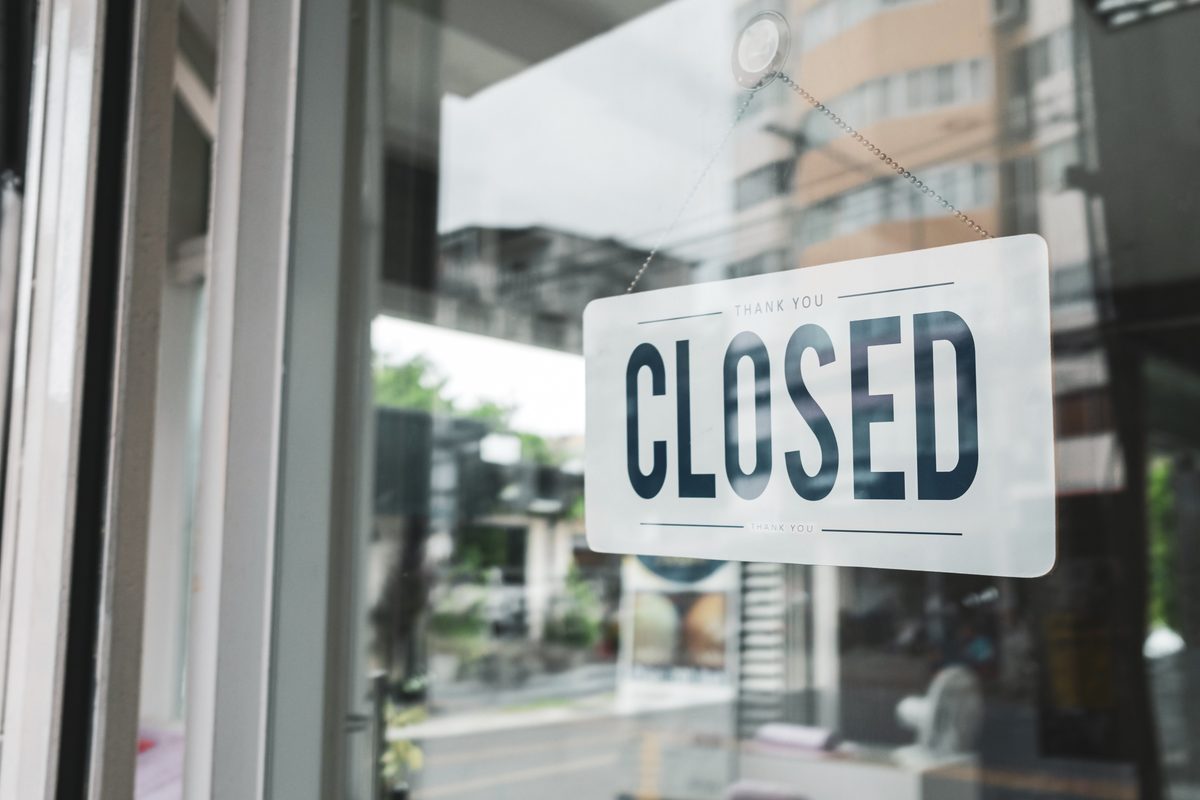
Most apartment leasing operations still run on fixed office hours, scheduled leasing appointments, and manual property tours. While this process worked for years, today’s renters expect the flexibility to schedule apartment self tours whenever they’re ready—not just when the leasing office is open.
The problem is that apartment shoppers don’t operate on that same schedule.
People search for apartments whenever they have time. That might be during a lunch break, after work, late at night, or on a Sunday afternoon. The moment someone decides they want to see a unit rarely happens between 9 and 5. Yet many leasing processes are still built around those hours.
That creates a disconnect between when prospects want to act and when properties allow them to. And that disconnect can be expensive.
Apartment Hunting Doesn’t Follow a Schedule
Today’s renters search for apartments across multiple devices throughout the day. According to the National Multifamily Housing Council (NMHC), digital-first leasing experiences continue to shape renter expectations, with prospects expecting instant access to listings, availability, and scheduling options.
The apartment search process is flexible and happens on the prospect’s schedule. The leasing process, however, often remains tied to office hours and manual coordination.
A prospect may discover a unit at 8:30 PM and be ready to tour immediately. Instead, they’re asked to submit an inquiry and wait until the next day for a response. After that comes scheduling, coordination, and finding an available time slot.
By the time access is provided, the prospect has already spent hours or days exploring other options. In some cases, they may have already toured a competing property. Not because the original unit wasn’t a fit, but because the timing wasn’t.
Interest Has an Expiration Date
When someone finds a property they like, there is a brief window where their interest is at its highest. They’re engaged, curious, and motivated to take action.
The challenge is that this window doesn’t stay open forever.
Every delay between discovering a property and touring it increases the likelihood of losing a qualified renter. Modern apartment shoppers compare multiple communities simultaneously, and the first property that delivers a seamless leasing experience often gains the competitive advantage.
This isn’t unique to leasing. It’s how consumers make decisions in nearly every industry. Action follows interest. When action is delayed, interest often fades.
Properties spend significant resources generating leads, driving traffic, and attracting prospects. Yet many lose momentum not because of a lack of demand, but because the process doesn’t allow prospects to move forward when they’re ready.
The Traditional Leasing Model Was Built for a Different Time
For years, leasing relied heavily on staff availability. A prospect would submit an inquiry, a leasing agent would respond, a tour would be scheduled, keys would be coordinated, and eventually the prospect would visit the property.
That process worked because it was the only practical option available.
Today’s renters expect apartment leasing to work like other digital experiences—fast, convenient, and available on demand. That’s why apartment self-tour technology and leasing automation are becoming essential for multifamily communities that want to reduce vacancy days and improve leasing efficiency.
As a result, waiting days to see an apartment feels increasingly out of step with the way people expect services to work.
The issue isn’t that leasing teams aren’t working hard. Most teams are doing everything they can with the systems available to them. The issue is that many leasing processes still require multiple layers of coordination before progress can happen.
And coordination takes time.
Business Hours Create Invisible Barriers
Every hour a qualified prospect waits to tour a property creates another opportunity for competing apartment communities to capture that lease. Offering secure after-hours apartment self tours helps eliminate this friction while giving prospects the flexibility they increasingly expect.
A unit may technically be available, but if access depends on office staff being present, then access is still restricted.
A prospect who wants to tour on a Sunday evening may have to wait until Monday. Someone who works traditional business hours may struggle to find a convenient tour time. Another prospect who wants to move quickly may choose a competing property that offers greater flexibility.
In many cases, prospects aren’t rejecting the apartment itself. They’re responding to the experience surrounding it.
That distinction matters because the leasing experience begins long before a lease is signed. Every interaction influences whether a prospect continues moving forward or starts looking elsewhere.
Availability Matters More Than Ever
Apartment communities that provide flexible touring options consistently create a better renter experience. Combining apartment self tour technology with visitor identity verification, smart lock integration, and real-time tour monitoring allows leasing teams to remain efficient while offering prospects greater convenience.
Properties that support those expectations create a smoother path from interest to action. Properties that don’t often introduce delays that slow the leasing process and reduce engagement.
The difference may seem small on an individual level. A delayed response here. An unavailable tour slot there. An extra day before access is granted.
But when multiplied across dozens or hundreds of leads, those delays add up.
More access creates more opportunities to tour. More tours create more opportunities to lease. The relationship is straightforward. When prospects can act when they’re ready, more of them will.
The Future of Leasing Is Always On
The most effective leasing systems aren’t limited by office hours. They don’t require every step to be manually coordinated before a prospect can move forward.
Instead, modern leasing platforms allow prospects to schedule apartment self tours, verify their identity, receive secure temporary access, and tour independently—without waiting for office hours or manual coordination.
That doesn’t mean removing people from the leasing process. It means removing unnecessary waiting from the leasing process.
When units are accessible beyond traditional business hours, more tours can occur, prospects can move faster, momentum remains intact, and leasing activity becomes more consistent. Rather than asking prospects to adapt to operational limitations, the process adapts to the prospect.
That shift has the potential to transform leasing performance because it aligns access with demand instead of restricting access to staff schedules.
Meeting Prospects Where They Are
The reality is simple. Your prospects are shopping outside of business hours.
They’re researching communities at night, comparing floor plans on weekends, and making decisions whenever they find time in their schedules. Their apartment search doesn’t pause when the leasing office closes.
The question is whether your leasing process is available when those moments happen.
Every hour of the day represents potential leasing activity. Every inquiry represents potential momentum. And every time a prospect is forced to wait, there is a chance that opportunity disappears.
Properties that create access when prospects are ready to act position themselves to capture more of that demand.
The Bottom Line
Apartment hunting doesn’t stop when the office closes. Prospects don’t pause their search at 5 PM. They continue browsing, comparing properties, scheduling tours, and making decisions long after traditional business hours have ended.
Apartment communities that embrace apartment self tour technology and modern leasing automation position themselves to lease faster, reduce vacancy days, and deliver the seamless digital experience today’s renters expect. The future belongs to properties that are available whenever prospects are ready to act—not just during office hours.
The future of leasing isn’t about extending office hours. It’s about creating access that isn’t limited by them.
Because your leasing process may have business hours.
Your prospects don’t.
Ready to make your units accessible beyond office hours? Learn how Delet helps properties offer on-demand access and accelerate leasing at Delet.com.
June 8, 2026